How to Manage Rainwater Runoff With Better Roof Drainage
Managing stormwater runoff is a critical aspect of home maintenance across Brisbane Northside. With intense subtropical summer storms, sudden downpours can quickly overwhelm standard roof drainage systems. When rainwater cannot clear the roof surface efficiently, it spills over gutters, floods garden beds, erodes soil, and threatens the structural stability of foundations. Modernizing and optimizing your roof drainage ensures excess water is directed safely away from your property and into the appropriate stormwater infrastructure.
Assessing Roof Drainage Capacity for Subtropical Storms
Properties in suburbs like Chermside, Aspley, and Kedron often contend with significant overland water flow during severe weather events. Roof catchment systems must be calculated based on local rainfall intensity standards, such as those set out in AS/NZS 3500.3 for plumbing and drainage. Standard residential gutters and undersized 90mm round downpipes often struggle during flash rainfall events that drop massive volumes within minutes.
Upgrading to higher-capacity profiles, such as deep-profile quad gutters or high-front architectural profiles, prevents water from washing over the edges onto external walls and soffits. High-front gutters are designed with overflow slots to ensure that if a backup occurs, excess water https://cristianzeed888.raidersfanteamshop.com/is-flexible-pointing-better-than-traditional-cement-mortar cascades harmlessly outward rather than breaching the roof cavity.
Key Upgrades to Improve Water Flow and Capture
Mitigating water damage requires addressing every component between the roof ridge and the council stormwater connection. Homeowners should consider several targeted improvements:
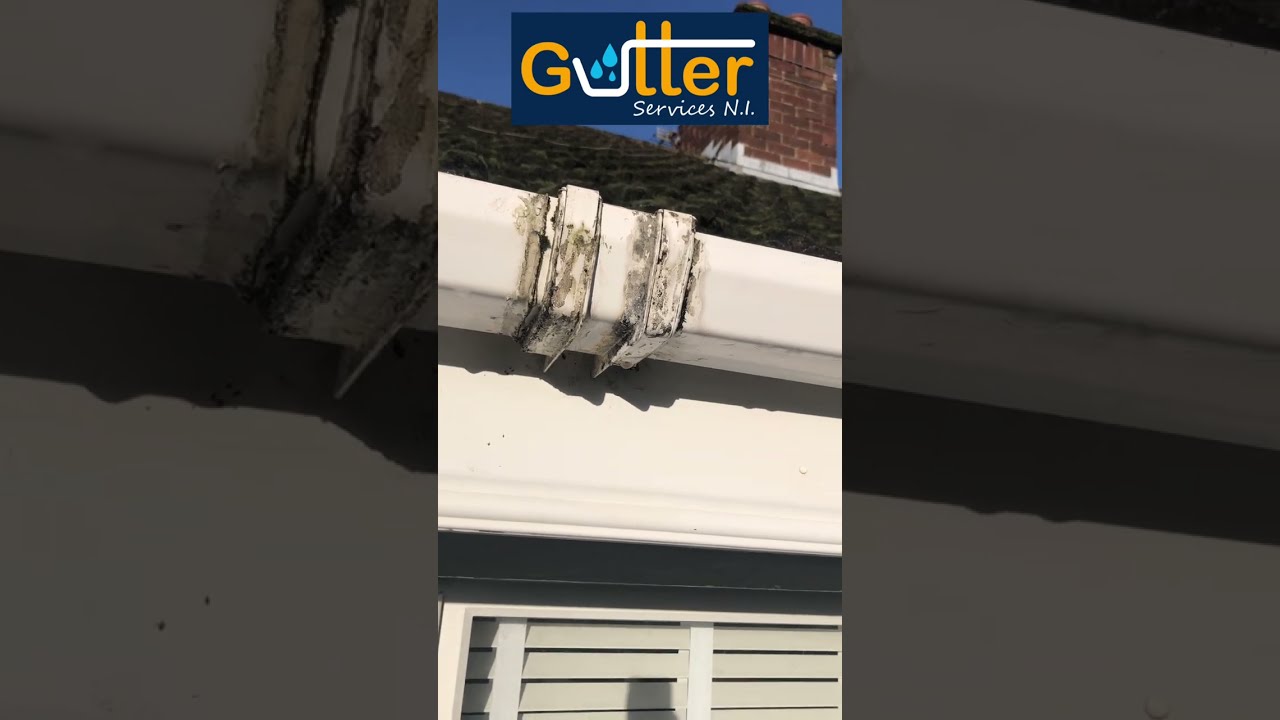
- Increasing Downpipe Diameter: Replacing narrow downpipes with 100mm round or 100x75mm rectangular options dramatically increases discharge speed, relieving pressure during peak surges.
- Installing Rain Heads and Sump Systems: For properties with valley junctions or box gutters, external rain heads provide an overflow point that prevents water from backing up beneath roof tiles or metal sheets.
- Gutter Guards and Ember Protection: Leaf debris from native gum trees commonly blocks Northside gutters. Installing micro-mesh screening keeps debris out while allowing high-volume water passage.
- Optimizing Gutter Fall: Gutters must maintain an accurate gradient of at least 1:500 toward downpipes. Over time, brackets can sag, creating pooling zones that accelerate corrosion and overflow.
Connecting Roof Runoff to Property Drainage Networks
Efficient roof catchment must connect to an equally capable ground-level system. Rainwater harvesting tanks remain an effective buffer in Brisbane, capturing initial downpours for garden or laundry use while moderating peak runoff into the street mains. Modern setups feature automated diversion valves that redirect excess tank capacity directly into the primary stormwater line once the tank reaches full capacity.

For homes situated on sloping blocks, such as those in Stafford Heights or Wavell Heights, uncontrolled roof discharge can quickly erode terraced gardens or seep into retaining walls. Implementing charged downpipe systems (where water pushes through sealed pipes under hydraulic head pressure) or direct connection to legal points of discharge designated by the Brisbane City Council ensures compliance and prevents neighbour disputes over nuisance water.
Seasonal Inspection and Maintenance Best Practices
Preventative care is the most cost-effective way to preserve drainage efficiency ahead of the storm season. Scheduling routine inspections before November ensures all elements are functioning under pressure.
- Clear Valley Flashings: Debris frequently wedges beneath valley tiles, forcing rainwater sideways beneath the roof underlay.
- Flush Downpipe Bends: Underground elbows and ground-level bends are prone to silt accumulation, which restricts flow during heavy events.
- Inspect Fascia and Brackets: Ensure all support brackets are tightly anchored, as water-laden gutters carry hundreds of kilograms during an intense deluge.
- Test Overflow Relief Outlets: Ensure ground-level overflow grates and stormwater pits are free of roots, mud, and lawn clippings.
By investing in properly sized downpipes, high-volume gutters, and a well-engineered stormwater dispersal system, Brisbane Northside homeowners can safeguard their properties against severe weather, preserving building integrity and ensuring reliable drainage year-round.
Brisbane Northside Roof Restoration
Unit 3/3 Harvton St, Stafford QLD 4053
(07) 3130 0990
Corrections
Spot something wrong? Send it to the desk and it gets fixed in the open.